Tuesday, September 01, 2026

Romania Aren't You an Orange

 I was on high alert when I stepped off the train into Cluj. I walked through the streets with my head on swivel, keeping my eyes open for the Adidas tracksuit mafiosos that I remembered from my first trip to Romania. I hailed a cab and showed him the address to my hostel. I followed our route on Google Maps to make sure he wasn’t going to take me to a dark corner to beat and rob me.
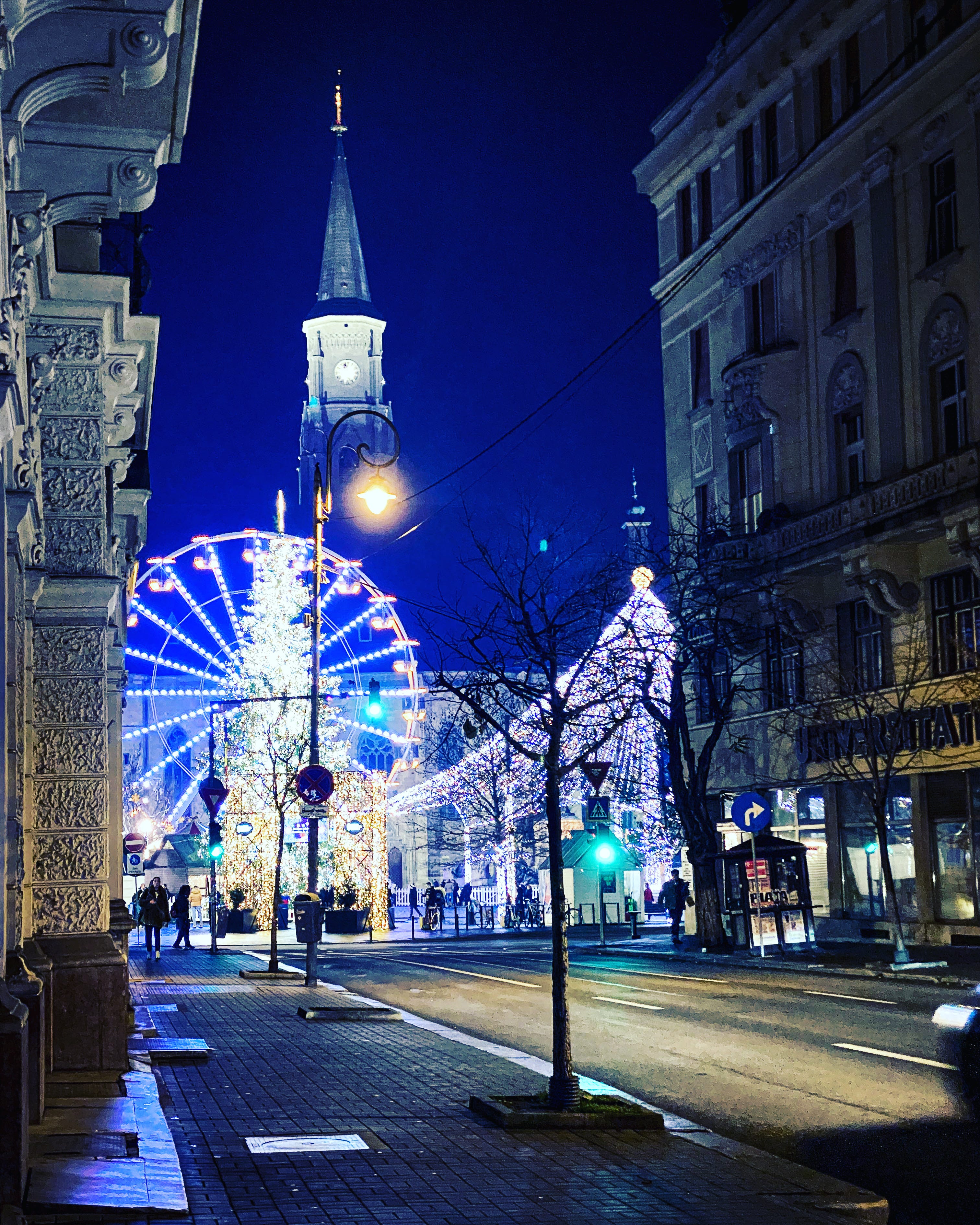

Christmas Market in Cluj

Looking back now, I feel so stupid and can’t believe I was so on edge. I didn’t know much about Romania other than what I experienced during my visit to Constanta in 1998 with the 22nd Marine Expeditionary Unit. I remember it being cheap; very cheap. Pulling out the currency from an ATM was interesting because the exchange rate was crazy, like in the millions. Constanta also had the first McDonald’s I went to, where I ordered a Royal with Cheese and a beer. The whole meal cost me a cool couple million Ron. I remember the police carrying AK-47s, the crazy number of homeless children, and the Adidas tracksuit mafioso guys. I had a lot of fun in Romania in 1998, but I regarded it as a run-down Eastern European country. Now I can confidently say that Cluj is the safest city I have ever been to in all my travels.

“Where you from?”

The question caught me off guard. I didn’t think for a minute the guy was going to speak English. I was still hesitant to give him any information. He gave me an impromptu history lesson about the area that we were in before he dropped me off at the $12-a-night hostel. It was a nice place, the staff spoke English, and took me to my closet-sized room after showing me where the community showers were.

I freshened up and stepped back into the mean streets of Cluj. Costel was still on the border and had arranged for me to meet with a friend of his, an Israeli expat living in Romania. He recommended we meet at Che Guevara’s near the city center. Saf is a cool dude. He had served in the Israeli Defense Force as a tanker. Studied finance at university and then parted ways with his family in Israel because of some family issues. He traveled to find himself, studied Yoga, and danced. He called Cluj the Silicon Valley of Europe, and that’s why he had decided to come to Cluj to open a tech business. I didn’t know it then, but Saf would end up being a very genuine friend to me in Cluj, and someone I still talk to today.

We finished up our drinks, and he refused to let me pay. We parted ways, and I headed back towards the Hostel, with a little liquid confidence to carry me through the night. I slowed down to take in Cluj. Instead of looking into dark corners, I looked up at the architecture and noticed Romanian flags on almost every lamppost. The city was clean, I hadn’t noticed how clean it was on my walk to the center.

As I neared the hostel, I was drawn to the sounds of huge speakers filling a closed space with loud music. I wandered into a local rock bar. I had no idea how to speak Romanian, so I ordered in English, and there was no communication barrier between the bartender and me. I got my beer and walked through the club. It was packed. There was nothing suspicious about it, there were no armed police with AKs, just people singing to American rock like Nirvana and Metallica. They knew every word, and they sang in groups with their arms on each other’s shoulders.

On my second trip up to the bar to order a beer, a guy asked me if I was American. We hit it off, and he invited me to drink with his friends. He told me that the COVID restrictions had been lifted, and it was the first night bars and restaurants could open their doors to the public. So everybody in Cluj was out to celebrate. The people had been craving human contact, there was no animosity to be seen anywhere. Almost every young person I talked with spoke English and was excited to speak English with me. We talked about everything from music to politics.

The question eventually got brought up about what I was doing in Romania. I told them I was there to help my buddy with humanitarian work for Ukrainian refugees at the border. Fuck Putin somebody yelled. The whole bar erupted in Fuck Putin. Some of my new friends expressed concern that if Ukraine fell, Romania would be next. They expressed genuine concern for the refugees. “I see these kids and their moms on T.V. having to flee their homes- It’s fucked.” As if on cue, the song Zombie started to play. We hung our arms over each other’s shoulders as we belted out the lyrics as loud as we could. We started jumping and moving around the room. I opened my eyes to see tears streaming down some of their faces. The song ended, and a spiritual silence filled the bar.

The emotion and compassion I witnessed in that younger generation at the bar made more sense to me later, after hanging out with some Romanians my age. Guys who had grown up in the hard 90s. The guys who had stood with their mothers in breadlines and whose parents had lived in fear under Ceaușescu.

Sitting in the kitchen of one of my Romanian friends in an old building from “communist times,” he told the story about the first time he ever ate an orange. His father, after working all day, came home with one orange, which he split with his wife and his three children. My friend asked his father why he wasn’t having any of the orange. His father told them that he had eaten one at work. Then, after the kids were supposed to be in bed, my friend got up to pee and peered into the kitchen. He saw his dad drinking the orange juice off the plate, scooping up the tiny pieces and the white of the peel that were left over, and eating them.

The other story I was told was similar, but instead of an orange, it was dinner. My friend’s father would get home late from work, and when the family ate, he would tell them he had something to eat at work. Then he would wait until he thought the kids were asleep and eat the crumbs off their plates. Romanians, at least the ones I’ve met and who are in my life, take care of others before they take care of themselves.
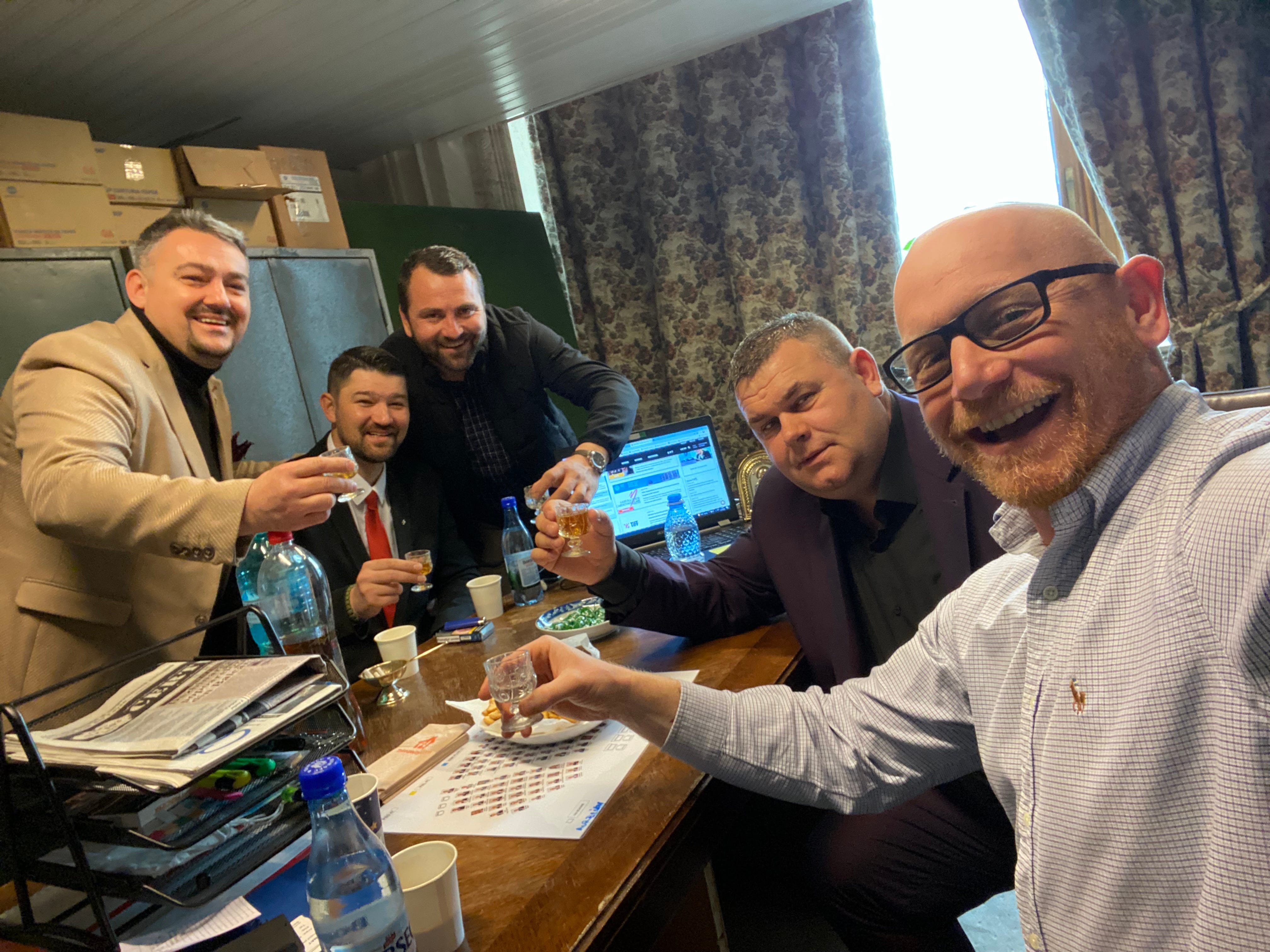

No matter where you go, someone has homemade hooch.

A word of advice: when they meet you for the first time, they will ask you to try Suica or Polinka, the national drink of Romania. Be careful because that fire water is strong. The only time I don’t believe a Romanian is when they tell me we are just going to have one drink…

This is the 5th part of an ongoing series. If you missed the first installment, start with A Rolling Stoner Gathers No Moss.

Thursday, July 30, 2026

The ROmerican

 Time loses itself in the countryside, and so did I.

On the train from Budapest to Cluj I had nine hours to think about leaving the last forty years of my life behind with nothing but a backpack and three changes of clothes. We passed prairies and villages that time had forgotten about. I had grown up in the Pacific Northwest, my ancestors had arrived by boat to the free world and eventually trekked west through the plains and the mountains to find a new life. Here I was headed in the opposite direction through prairies and villages that time forgot searching for mine.


“You guys got any 40 mike mike?”

That is how I met Costel. We had just shot our way down a 5km stretch of road in Eastern Baghdad laden with IEDs to get to the DAK hall where his platoon had been pinned down for a few days. We had gone in to extract a humvee that had been shredded by an explosively formed penetrator and the bodies of two young men that had been killed in the blast, Durrell Bennett and Patrick Miller.

We pulled into the compound and he walked up to my window and asked me if I had any extra grenades. We gave him what we could spare and went back to engaging with the Mahdi militia. I didn’t know him very well at the time, but some guys from my old squad had told me who he was later when I was in Poland trying to figure out where to proceed after losing contact with our guy in Lviv. Someone gave me Costel’s number and I called him, he told me about what he was doing at the border and invited me to come work with him.

When I pulled into Cluj-Napoca, Costel was still at the border and couldn’t pick me up from the train station so he sent one of his friends to meet me later for beers and introduce me to Cluj. Costel is what we call a ROmerican. Born Romanian, and later moved to the U.S. at a young age. He joined the United States Army and risked his life for his flag and his brothers deploying to Iraq in support of the War on Terror. 

He had grown up in Romania during a turbulent time in its history. He remembered what it was like to stand in a bread line, he knew these people needed help and it was his turn to pay back the kindness showed to him by Europe after Ceaucescu was removed. After one drop off we stayed to play with the kids for a few minutes. As we drove away Costel went quiet. I saw a tear on his cheek. “What’s up?” “These little kids, so excited for someone’s hand me downs. They remind me of growing up in the communist times.”

Costel came into town a few days later from the border and needed to unwind a bit. He took me to a CFR soccer match where we sat in a VIP booth and I got to enjoy some Romanian football. We spent the next few days going to different sites with two SUVs people had been kind enough to loan out and two young college kids he was mentoring. Our donations came from different people he knew and a few locally owned businesses.

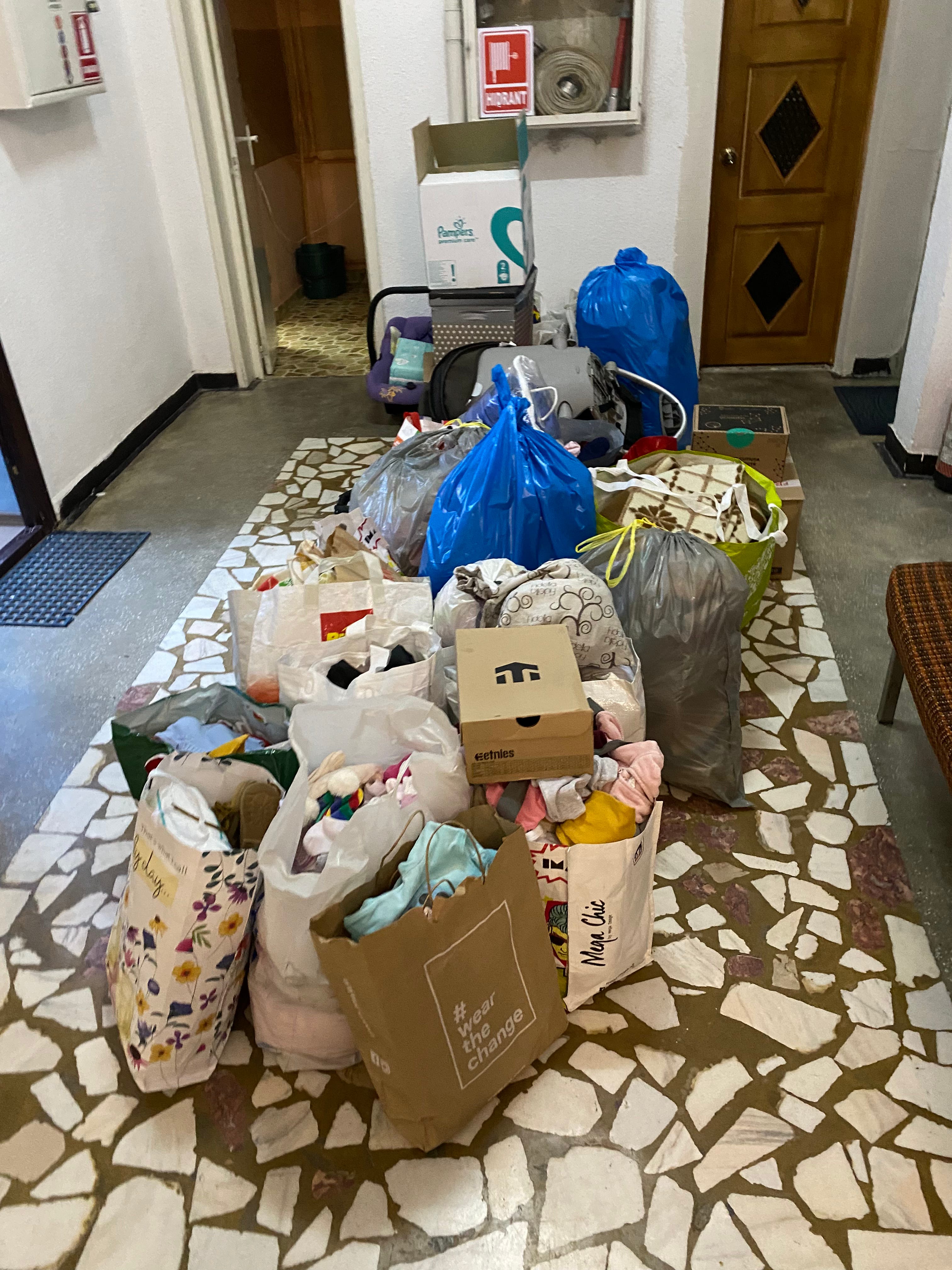
It was heartwarming to see these people doing what they could to help the Ukrainians coming over the border. They donated clothes, food, diapers and blankets. It didn’t take long until the cars were stuffed to the gills with donations. We were even able to collect sim cards from Orange, a mobile company in Romania.

The next day we headed north into the mountains. From Cluj to the Ukrainian border near Siret is about seven hours of driving on a good day. Here we were crossing the Carpathian mountains which had just got slapped with snow. There are no roads bigger than two lanes that cross those mountains. The only thing tighter than the hairpin turns up this mountain was my asshole as we maneuvered up the steep passes, blind turns and grades that brought tractor trailers within a cunt hair of ending our little mission before we could get into Dracula’s backyard. I was white knuckling and sweating my first trip, and every trip over the mountains after that.


At some point you have to go over em...

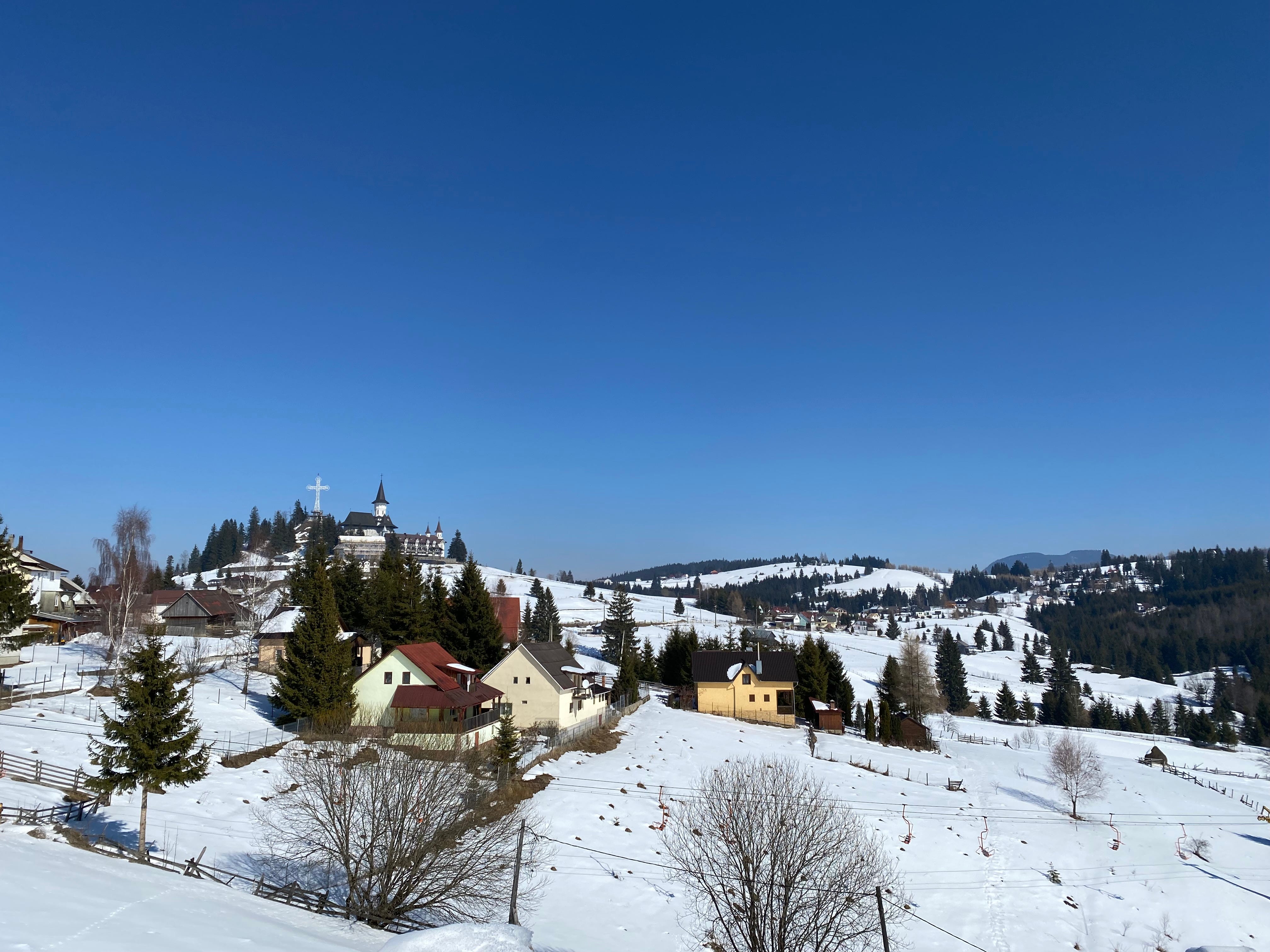
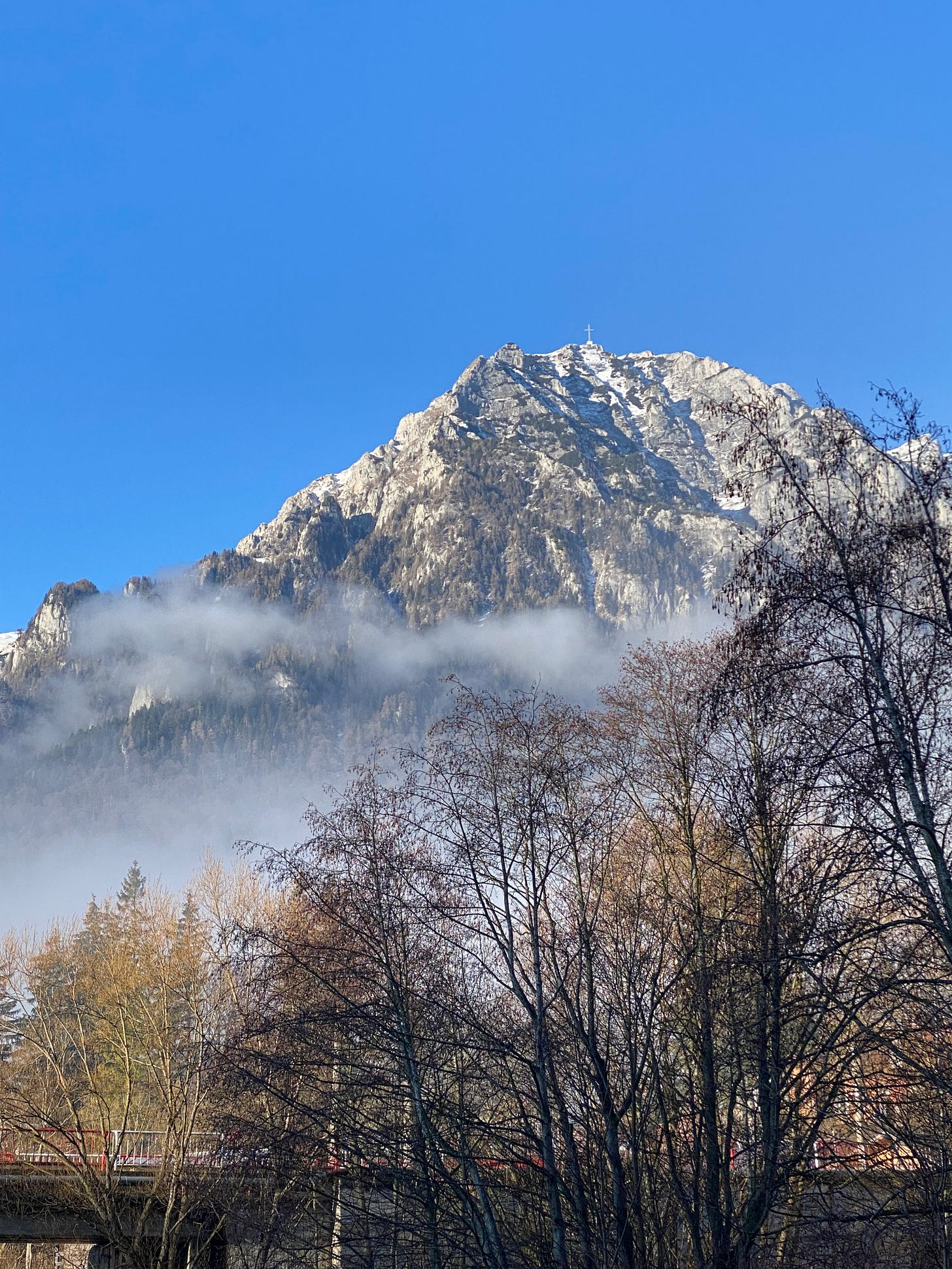
Driving into and over the Carpathian mountains is what I imagine crossing over into Valhalla will look like. I had grown up in the Pacific Northwest, lived within a 35mm panoramic view of the Hindu Kush and later lived for a few years surrounded by the Rockies. The Carpats were like elegant mature ladies that kept their form and shape over centuries. We passed through old mountain towns and monasteries and on one trip stopped at Vlad the Impaler’s castle near Brasov. Although I squeezed finger imprints into the steering wheel, the raw beauty of the place calmed my heart. Driving through this masterpiece of the cosmos it was hard to believe that just on the other side there were women and children living in warming tents with nothing but what they could carry.

First we stopped at a collection point in Botosani. It was run by a Romanian Veteran Program. We emptied our SUVs out into a small room in the building where there were other donated goods. What I had initially thought was a pretty big haul turned out to be a little pitiful when we organized it in the room. The Romanian vets coordinated with the border crossings in the north. There were a few NGOs out there but none of them really communicated. After some telephone tag we gathered the supplies that one of the checkpoints was asking for in one of the cars, and in the other car we loaded up supplies that a separate temporary refugee camp was asking for and rolled out.


All we could pack into two small SUVS. It seemed like a lot at the time. 

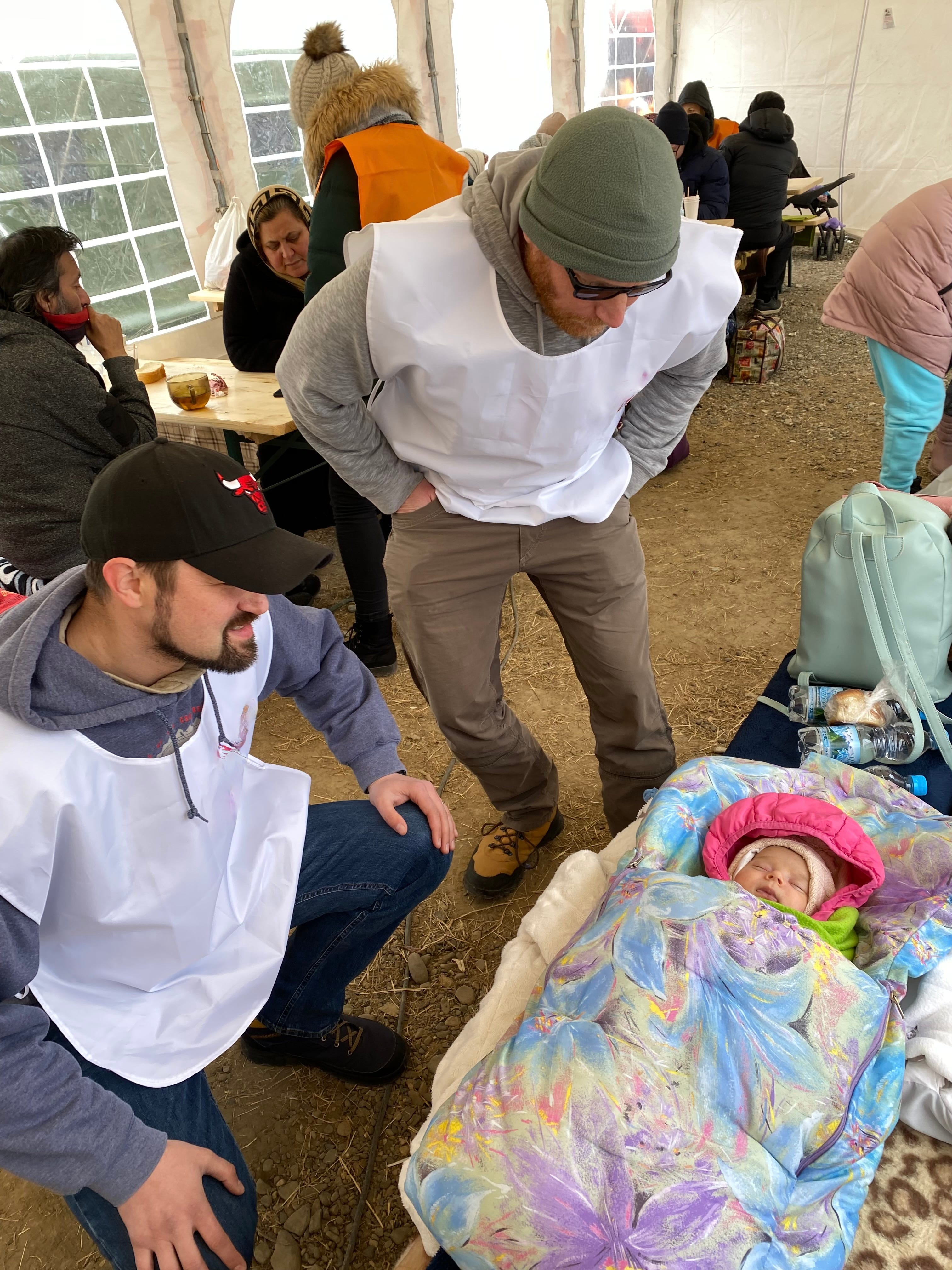
The scene at the Romanian border crossing near Siret was heartbreaking. Women and children bundled up in these warming tents. The first border crossing we visited had a three week old baby bundled up in a tiny bassinet while the families waited for transportation and a place to stay in a larger city.


The border crossings had almost a month to set up a good working system, there were plenty of organizations there, and the outflow of Ukrainians into Romania had slowed, but it was still a humanitarian crisis. It honestly didn’t look much different than the situation I had experienced in Poland. We had spent a few days collecting donations, and driven eight hours over the mountains and what we had to offer was nowhere near what was needed.

We went back into town and went out of pocket for other things that the volunteers needed. More diapers, milk, bread, gas, baby food, pet food. The list was long. I started up a GoFundMe to offset the cost of gas, lodging and food for us, and to be able to purchase anything else the borders or the refugee camps needed. Thankfully my family and friends rose to the occasion and we raised around $5,000.

As a young Romanian in America, Costel was blessed to have some wonderful people in his life. Years later, these bonds would lead to a huge breakthrough in our efforts. Costel was working with a former mentor who worked in the Salvation Army in the U.S. On our long drives across Romania, we would talk about how amazing it would be if we could get the Salvation Army to help. We kept our expectations low, being pessimistic whenever the word Army was thrown around. Finally, his contact said that a truck was coming from Austria loaded with goods for our little operation. We both imagined a little Ryder truck or a U-Haul packed with what we had already collected. We would’ve been grateful, at any rate, just for the help.

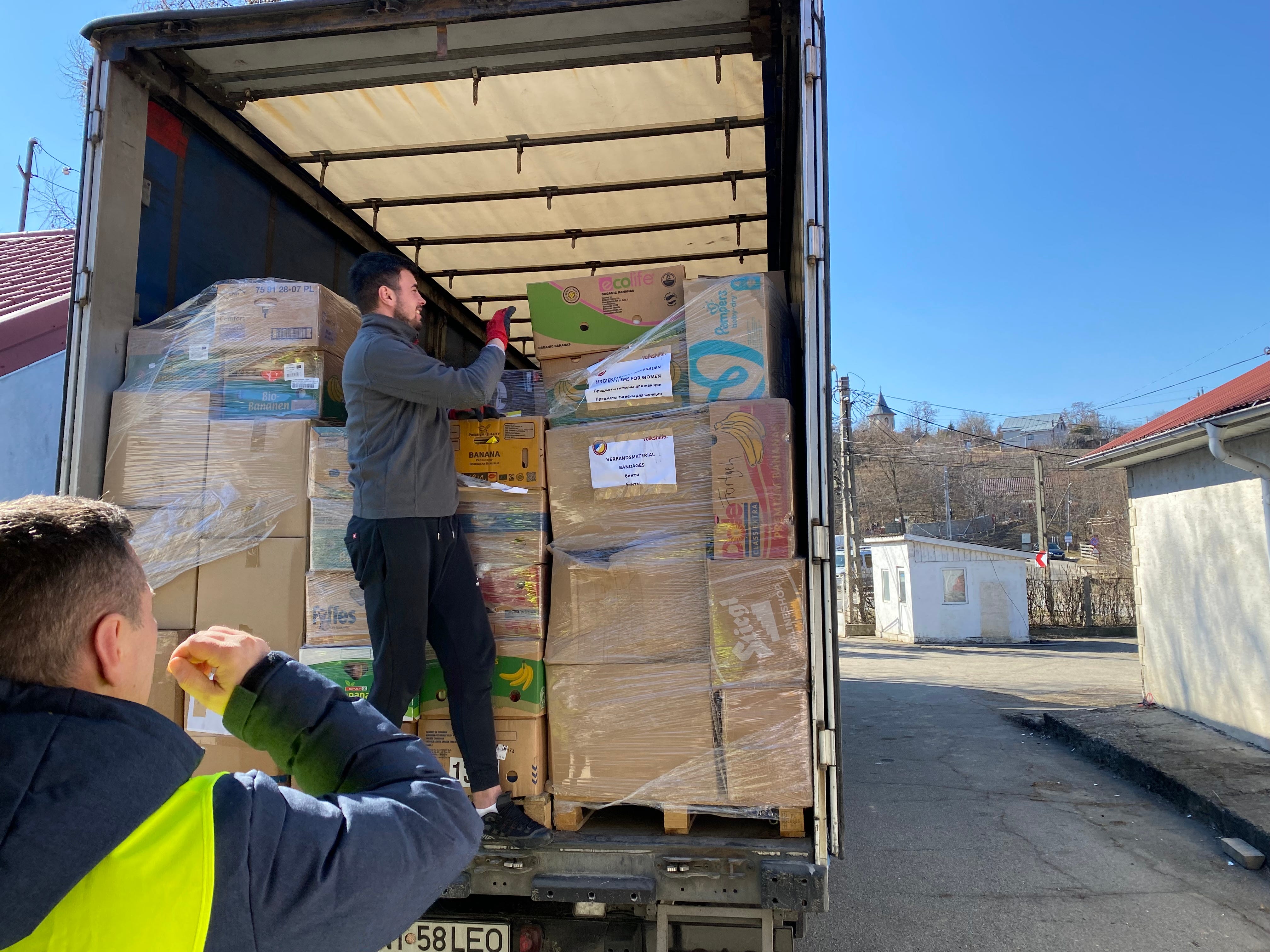
The day finally came when this truck from Austria was on its way. It was no Ryder truck. It was an 18-wheeler full-sized shipping truck. Even when we saw this truck with our own eyes backing into the bigger building the Romanian military guys procured, we both imagined it was probably only packed a quarter of the way full. Finally, the truck backed up to the loading area of our new supply point, because the supply closet at which we were operating out of before wasn’t going to cut it. The driver came back and opened the doors for us. The truck was packed from front to rear with coats, blankets, fuel, food, shoes, and everything that the checkpoints and refugee centers had asked for. We were blown away. We filled that whole building with the contents of that truck. Costel called and thanked his contact, and his contact responded with, “We have another truck on the way.” Not only were we able to provide much needed supplies to all of our checkpoints and refugee centers, we had enough to help out the orphanages in the northern area of Romania.


Now this was a lot of stuff.

We loaded up our little SUV from the new supply point and went out to all of our checkpoints and refugee centers with the news of what we had on hand. We eventually handed off our little operation to the retired Romanian military guys. This allowed us to work with refugee centers and refugee families that we met on a more personal level.

Through this experience what impressed me the most was the heart of the people that I came in contact with. Romanians are great people. They emerged from a dictatorship and communism in the late eighties. A lot of the guys I worked with had been kids during those times and remembered what it was like to have nothing. Some of the young men that I worked with during our border mission had grandparents that remembered when Russia occupied Romania during World War II. They had first-hand experiences of the brutality of the Russians.

Costel had started his little operation at the beginning of the war. He had seen some things at the borders that broke his heart. He and his little band of Romanians crossed the Carpats over a dozen times. From small heartfelt donations to landing the Salvation Army as a sponsor, I was quickly falling in love with Romania, the culture, the wild beauty. It was the people that captured my heart. Some people with very little giving what they could. Others loaning out their vehicles and taking the bus to work while we drove their cars over the mountains back and forth for weeks. The volunteer workers that cooked from their own kitchens and took turns staying in the cold to welcome in and feed the weary. My whole experience in Romania had been with acts of kindness and compassion from these people. 

Romania reminded me of the valley at the confluence of the Snake and Clearwater rivers where I had grown up. Everywhere I went I was greeted with Romanian kindness and a shot of Polinka. Costel suggested that I stay in Cluj. He would help me find a place and get situated with a temporary stay permit. I still wasn’t sure where I was going or what I was going to do. I’d been sleeping in spare rooms since I arrived i Europe. I figured it would be a good place to lay low for a while, save some money and eventually join the Ukrainian Foreign Legion.


This is the 4th part of an ongoing series. If you missed the first installment, start with A Rolling Stoner Gathers No Moss.
Thursday, July 23, 2026

A Day of Coffee and Missiles (We Call it Monday)

I've been busy. Today was one of the top 5 scary days for me since living in Ukraine for the last three years. Here is a journal entry from today. 

We went to the beach last weekend. It was our first family trip this summer. We went to our beach at 14th station, in between our port and Chornomorsk. Missiles and drones flew over us all day. Adelina created sand castles while smoke choked out the horizon in the distance. A shahed was shot down somewhere over the sea, the smoke appeared like a cheap magic trick, and ten seconds later the sound blew by us and disappeared onto the bluffs above.


My daughter made little frog jumps over the incoming surf, playing tag with the water while Odesa burned, and blew livelihoods and lives into the haze that drifted just miles away from us. We drank beer, played cards, and got sunburns while a war waged around us. Alerts, jet engines, drones, and explosions churned with sea, laughter, and songs of the sea birds. The butterfly effects of the smoke sailing to Turkey won't be felt while our toes are in the sand and our backs take on the lobsteresque pigment. Those worries will be for later. When someone learns their house or place of employment has been destroyed. That their family members were killed or they will have to carry pint sized coffins in a funeral procession in a few days.

Today I was at the warehouse with Andre. I didn't want to look at Telegram. I already knew we were under attack. I could hear the fucking machine guns yakking at some russian death machine in the sky. We were in the upper level of the tin roofed warehouse when I heard the jet. I wasn't sure what it was, a rocket, rocket propelled shahed. Maybe one of our jets. Pop. I heard the jet launch a missile, at what I wasn't sure, there were missiles and drones in the sky. What I did know is that I didn't want to be sitting under that tin roof if whatever was shot at blew up or decided to death dive into our cluster of warehouses. I ran my silly ass to the road in the hopes I would dodge the impending destruction of our livelihood. As I ran I thought, what if I'm running into the shrapnel. Final Destination popped into my head. A piece of shrapnel or the raspberry pi chip in the drone screaming through the air, finding a place to rest in my carotid. Pumping thick ropes of O positive into the sky, filling my nostrils with the scent of iron and dry gas as I lie on the ground with enough time to fear for my life. Dying in fear like a buck bleeding out, pissing, shitting my pants and dumping that bitter adrenaline into my muscles.

I didn't die. Not yet. It's only noon and I have already dodged death twice. I still have to go home. Work isn't over yet. Maybe I'll have to run back to the warehouse or the post office under alarm again. My two least favorite places to be when there are missiles flying all over the place. Missiles. Everything sounds like a missile, high-performance summer Bridgestones flying up my street, and electric cars and motorcycles. My brain is about to dump cortisol, but my rational side kicks in a second later like push starting a Datsun.

My daughter's daycare sends a message to the group to let us know they are safe. That's good. That's real good. We have a container of our goods sitting on a ship in Chornomorsk. The city whos port is getting bombarded with missiles. Again and again and again. At night from my balcony I can watch the bright orange flashes in the distance then count the seconds until the sound waves from the explosion rattle our windows and send a thousand dogs into a frenzy. Every explosion is a teeth nashing, nail biting experience. Is $80,000 of our war stressed capital sitting at the bottom of the Black Sea? Is this the end of our season, the domino that shutters our windows?  "I want to take the car to parking and lay down on the ground and cry," Tanya says to me. 

As I type this from the shawarma stand the air raid siren bleats, two Onyx missiles are on their way to Chornomorsk. "Suka blayat," the old man eating a hot dog next to me mutters. He shakes his head before burying his face in his hands. There are many here at this dying market who have containers waiting to be unloaded in the Chornomorsk port. There are many of us here who are holding our noses above the water after four years of war. We all know someone in this market whose shop has been shuttered and sold off because their stock went up in flames. A russian shahed hitting any warehouse can be posted online saying they destroyed some military target. In reality, it was some shop owner living on the margin, and their life savings in dog food, textiles, or teddy bears from China just went up in smoke.

I want to go on vacation. Figure out a way to do this remotely. Grow the business somewhere else. Is it possible? No. I'd like to take the family to Vietnam for the rest of the summer. Search for new producers, new products, maybe work with an ol'Army buddy, figure out how we can sell his goods here, but that would keep us here. I just want to be safe, I want to go somewhere where this is someone else's problem happening to people we don't know, never heard of, in a place we can't find on the map. We won't know what's going on with them every day because we have our own news and our own problems to worry about. A place where the war is over when I put my phone in my pocket. A place where the war isn't in my ear, head, and heart. A place where my daughter doesn't use the words alarm, shahed, or all clear. "Why is it an alarm, poppa?" "Because russians want to kill you." What? Should I lie? Well baby, sometimes when mommies and daddies hate each other they try to kill as many people that they don't like for whatever reason makes them feel comfortable doing so.

I want to go home. I want to go home so I can at least hide in my basement. It's cool down there. Have my family with me. I'll know that they are "safe," or at least we can die together. For every civilian killed, a family member of the rich elite should be put in an arena and have to fight to the death. If a civilian five-year-old is killed, then the five-year-old of the ruling class should be put on the block. A lid speculum attached to the head of the offending member so that they have to watch someone very close to them fight for their right to exist. A Ludovico Technique to answer an eye for an eye. The poor shouldn't be the only people to suffer. To bury children. The button pushers and the decision makers should answer. In a gala maybe, a place where they have to dress to impress. A place where they would usually huff their own farts but now breathe in the smell of blood and pain.